

What Is The Strongest Roof Design in Singapore?
September 24, 2021
7 Reasons Why You Need To Waterproof A Metal Roof
November 22, 2021How To Waterproof A Roof in Singapore?

How To Waterproof A Roof in Singapore? People waterproof their houses to keep the interiors safe from water damage. If waterproofing is not done properly, the house may leak through cracks and crevices left unsealed. Waterproofing a roof is more difficult than waterproofing the floor since the roof has higher chances of getting damaged by weather conditions like rain and hail.
The following steps will help waterproof your roof. Read on – How To Waterproof A Roof in Singapore?
Steps for waterproofing your roof
1) Remove leaves and debris using a stiff broom or rake.
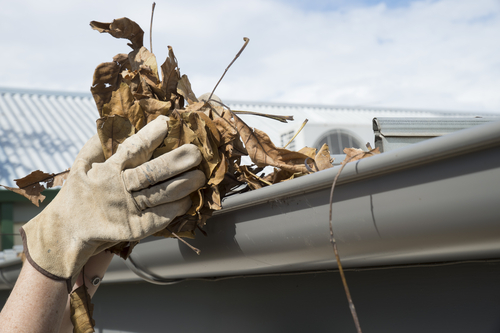
You can also use leaf blowers to remove cluttered leaves, but make sure to clean up any leftover debris on the ground after you’re done with this step. Many people neglect to remove leaves because they think they will be waterproofing the roof, but leaves and other debris may clog your gutters. If this happens, water may not run properly on your waterproofing membrane and cause leaks instead.
2) Check the exterior of your house for any damaged spots.
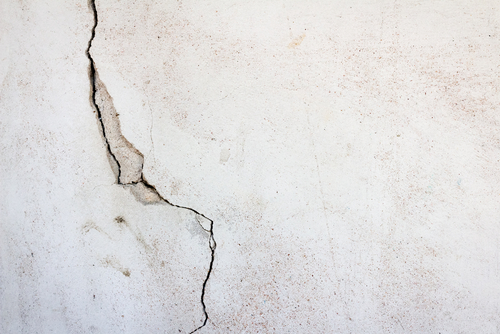
Look for cracked or peeling paint as these are red flags that something needs waterproofing. You can also use a screwdriver to scratch some paint off and check if it’s okay on the other side.
Damaged areas on the exterior of your home need waterproofing before you waterproof your roof because they can create more problems like mold inside walls once they’ve been repaired. Damaged areas should be fixed using waterproof roof materials like paints or sprays after you waterproof your roof.
3) Get waterproofing supplies like waterproofing membranes and waterproof paints.
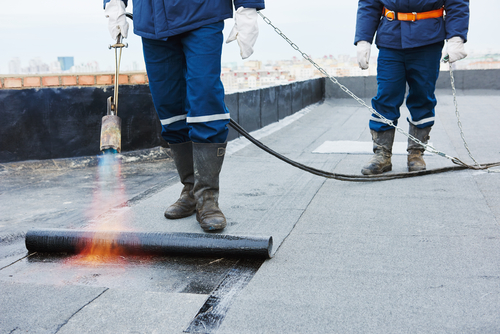
You can buy waterproofing materials in hardware stores or order waterproofing products online. There are many waterproof roof coatings in the market, so make sure to pick the right one for your roof type.
4) Start waterproofing by applying a waterproof membrane to your roof.
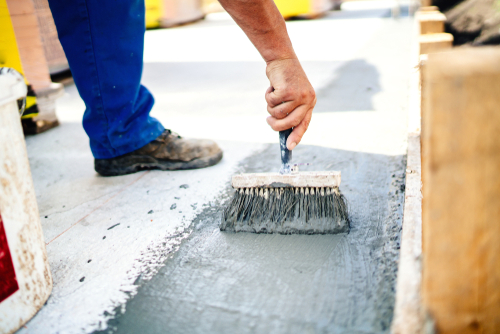
Apply lining adhesive on the back of your waterproof membrane sheet to prevent it from sliding around while you’re working with it. It will be easier to apply lining adhesive if you moisten the back of your waterproof membrane sheet first using a sponge dipped in water. Stretch your waterproof membrane horizontally and vertically by about 10 inches as you line it over the back of a shingle.
Once you’re done with waterproofing, cover your waterproof roof membrane with waterproof paint to prevent any leaks from occurring due to tearing.
5) Add waterproof coating to areas on your roof that need waterproofing,
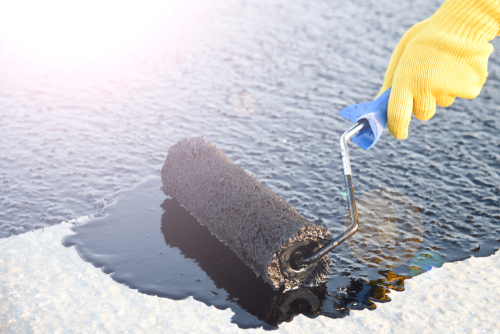
such as eaves, valleys, rakes, and skylights. Using the waterproof additive solution for faster results, you can use brushes or spray waterproofing material directly onto these areas.
6) Check your roof using an inspection mirror or climb up on top of your roof.
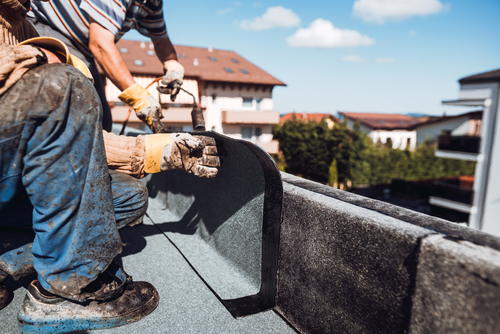
Inspect it closely for any possible water leakage spots and apply waterproof roof coating to those areas if necessary. Remember: After you’ve finished waterproofing your roof, waterproofing material may be visible on the exterior of your home, but it’s necessary to waterproof your roof.
Waterproofing gutter is done by sealing them with waterproof membrane or painting their bottoms using waterproof paint. You can also try using waterproof additives for faster results.
7) Install gutters and ensure that they are properly waterproofed.
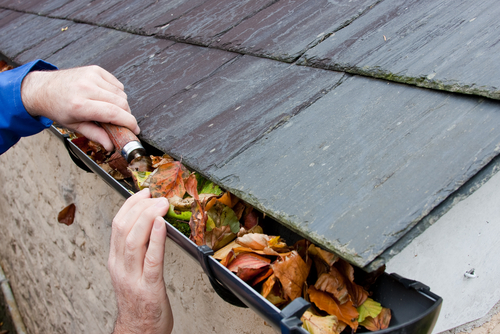
Make sure not to leave any gaps between the gutters and walls because this will allow water to seep through and damage areas near these points instead of flowing into the ground naturally via downspouts.
8) Check rooftop
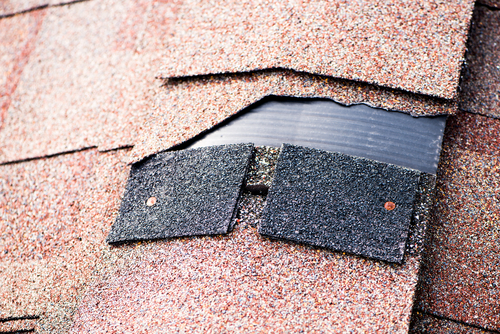
Make sure to check your rooftop waterfall and downspouts for any debris clogs to prevent water stagnation near the exterior of your home so mold won’t form, creating more damage than before waterproofing your roof.
If you additives during waterproofing, add waterproofing additives to downspouts with a waterproof additive dispersion tool or add waterproof additive solution to downspouts with a waterproof additive applicator.
9) Roof Leak
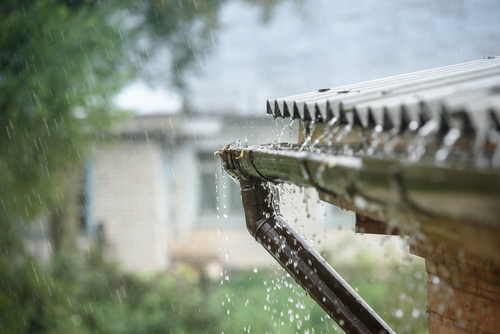
If you have any leaks during waterproofing your roof, fix them by applying waterproof sealants and coatings wherever necessary using a waterproof paint roller, brush, or sprayer.
You can also add waterproof coating by spraying it onto areas on shingle backs where you need additions. Make sure not to use a flat waterproof membrane for waterproofing your roof because it can cause water to pool underneath waterproofing membranes creating a hazard below. The flat waterproof membrane is only good for flat waterproofing surfaces.
10) Clean up Waterproof Materials
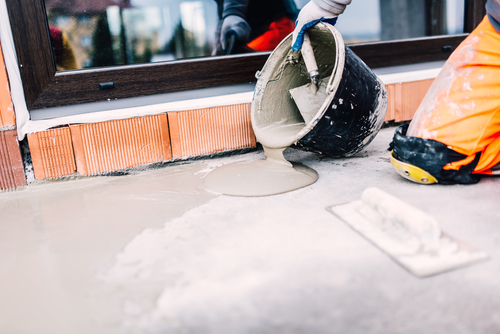
Make sure to clean up waterproof materials thoroughly after waterproofing your roof so there won’t be any harmful chemicals in between shingle layers as well as any mold growth from hidden leaks from behind shingle tabs.
You can also use high-pressure air cleaners to blow out screws, nails, and other debris clogs from wet areas like eaves and valleys where water accumulates near the exterior of your home during rainy weather if you choose not to use cleaning tools like these. Sometimes an extraction tool (a power washer that generates suction through the nozzle) may come in handy for cleaning waterproofing materials as well.
11) Waterproof Roof’s Eaves
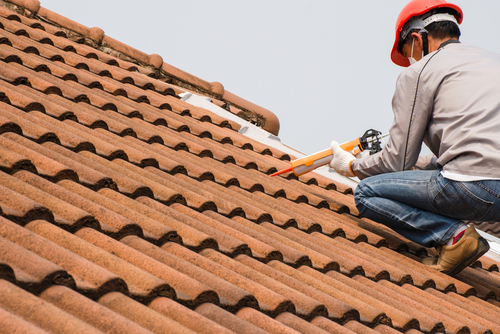
Make sure to waterproof your roof’s eaves using a waterproof membrane or waterproof paint with a waterproofing additive mixed into the paint that waterproofs surfaces where water pools up.
It’s also a good idea to apply waterproof membranes called “drip-edge” on the underside of roof eaves where water flows down them at their very end before re-entering your home for any leaks as well as mold growth, so you’ll never have any leak problems around eaves ever again.
Lastly waterproof these areas using waterproof sealants and coatings mixed into waterproof paint if they can’t be found immediately.
It’s a good idea to apply a thin layer of waterproof coating and adhesive on these sections of your roof before finishing the rest of waterproofing your roof so there won’t be any holes in between waterproofing sections due to missing leak repairs on them that may have otherwise been missed during waterproofing your roof.
How To Waterproof A Roof in Singapore? – Conclusion
We hope you enjoyed the article – How To Waterproof A Roof in Singapore? If you require any waterproofing or roofing services for your home, feel free to call us and we will be here to assist you. Good luck!


